

Things I'm Doing Differently in Our Next Home

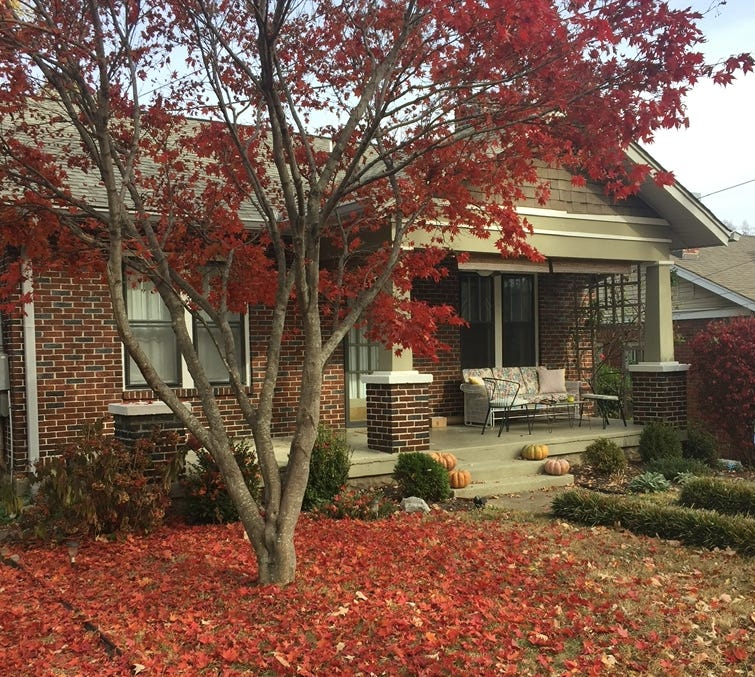
I don’t believe in a perfect house. A home is just a collection of decisions made at a specific moment in time based on the budget you have, the season of life you’re in, and the things you think will matter most. Then you move in and discover what you got right, what you got wrong, and what you simply couldn’t have known until you lived there.
As we begin designing our next home, I’ve been thinking a lot about the lessons our last house taught us. Not regrets, really. In fact, many of the decisions I’m about to mention worked exactly as intended and served our family well. But living in a house for a couple of years has a way of clarifying your priorities. It teaches you what you value enough to do again, what you’d simplify, and where you might invest differently if given the opportunity.
These are a few of the things I’m approaching differently this time around.
Giving Rooms More Specific Jobs
One thing I’m especially excited about in our next house is having a little more square footage and the ability to give rooms more specific jobs.
Our last house required nearly every space to work hard. I prioritized efficiency and maximized every square inch, and was proud of it. The scullery, for example, was part laundry room, part pantry, part mudroom, and part potting station. It worked beautifully and was incredibly efficient. In many ways, it was exactly what that house needed to be.
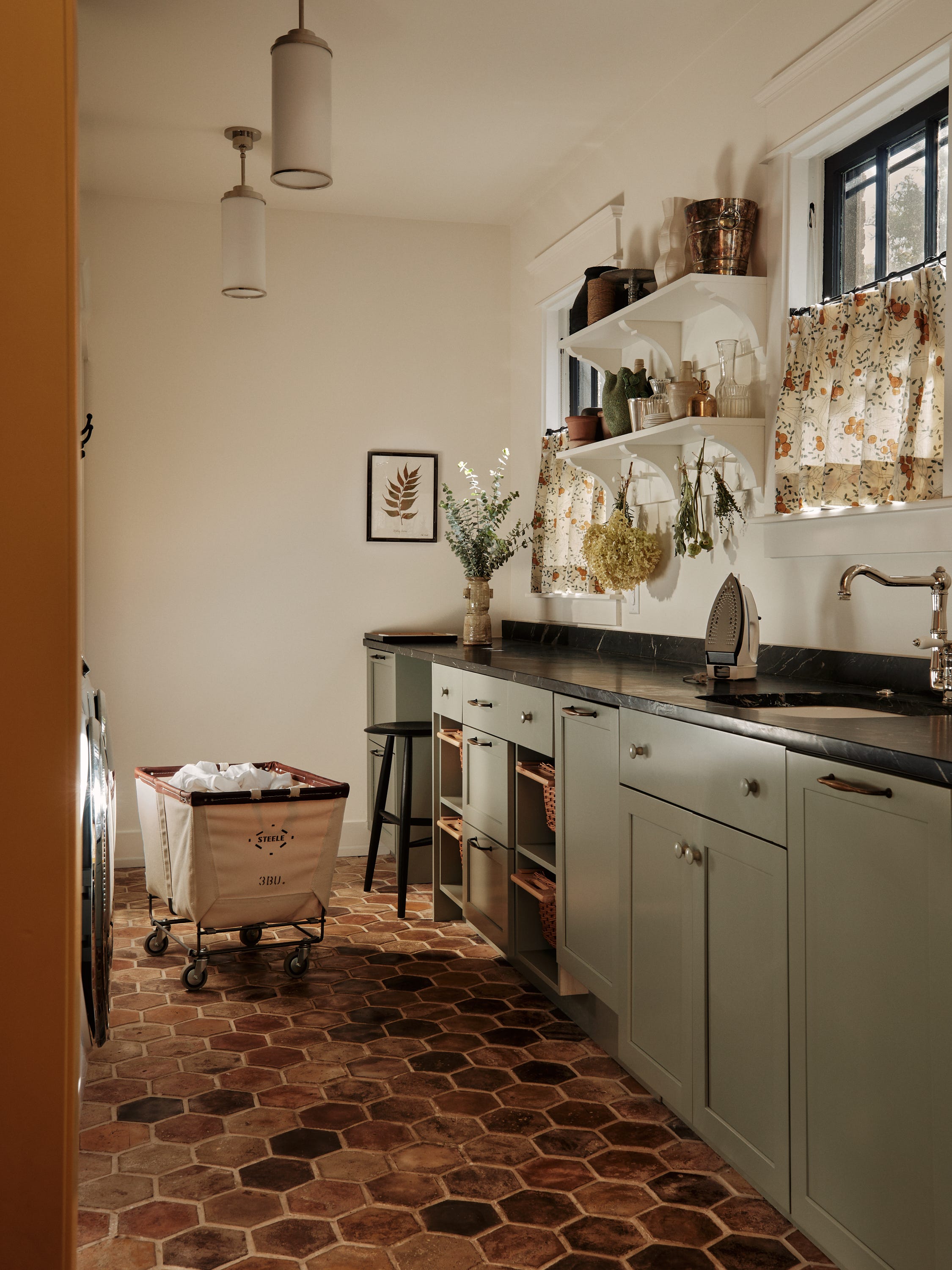
This time around, though, I’m excited for the luxury to be able to separate some of those functions and relieve some of the pressure each room needs to support. We’ll have a dedicated laundry room, a dedicated pantry, and a dedicated mudroom. The previous solutions was successful, but this time around I’m hoping to create a feeling of airiness, breathing room, and space.
The same is true of the living room. In our last house, I was trying to balance two competing goals: creating a comfortable television-watching space for our family while also wanting the room to feel sophisticated and social. Looking back, I think the room was asked to be two different things at once.
This time, we’re planning a separate snug for television and movies, which allows the living room to be a room centered around conversation, gathering, and connection rather than a screen. I’m looking forward to letting the fireplace be the focal point and allowing the room to function more like a true living room.
Even our dining room was asked to do double duty, serving as both a dining space and a major circulation path through the home. In the new house, having a more defined entry and hallway system will allow those rooms to feel a little more intentional.
I’ve realized that while I appreciate efficiency, I also appreciate rooms having a clear sense of purpose.
Leaving More Room for Furniture
Another thing I’m thinking about differently is storage.
In our last house, we maximized nearly every inch through custom cabinetry and built-ins. It was beautiful, highly functional, and incredibly efficient. I still think it was the right decision for that house.
This time, however, I’m intentionally leaving room for more freestanding pieces.
Instead of solving every storage need with millwork, I’d like some of those jobs to be handled by vintage and antique case pieces. Built-ins can feel incredibly architectural and streamlined which felt amazing in our vintage home. But antiques bring a layer of history, character, and imperfection that I find myself craving more and more. Because this house is new construction, the need for atmosphere and age through furniture will be even more important.
As a designer, I spent years thinking about architecture and millwork. Lately, I’ve become more interested in furniture. Not just as something that fills a room, but as something that gives a room its personality.
Hiding More of Everyday Life
I’m also doing less open storage overall.
We incorporated moments of exposed storage in our last home for ease and decorative moments. Functionally, it worked very well. But over time, I realized that what I enjoy most is visual calm. I like being able to close a door and let everyday life disappear.
So instead of open mudroom cubbies, we’re planning full-height locker-style storage. Instead of display shelves or open moments in cabinetry, there will be more concealed storage.
Not because one approach is better than the other, but because I’ve learned that I personally feel most at ease when the things of daily life are a little less visible. Or maybe it’s because our family life has gotten more chaotic, and I’m craving more calm in the midst of the chaos.
Fewer Details. Bigger Gestures.
Another thing I’m thinking about differently this time around is where to focus my attention.
In our last house, I became fascinated by pushing every detail as far as it could go. As a designer, it was a challenge I hadn’t really taken on before, and I genuinely enjoyed it. I researched historic hardware, obsessed over millwork details, sourced specialty materials, and spent an incredible amount of time refining even the smallest decisions.
In many ways, that house became a laboratory for learning what was possible.
But after living there for several years, I found myself wondering if every moment needed to be quite so resolved.
For example, we used historically inspired cast-iron hinges throughout much of the house. I still love them. They were beautiful and appropriate to the architecture. But looking back, I’m not sure they changed my experience of living in the house in a meaningful way.
What I’ve come to appreciate is that design isn’t always about adding more layers of thought or more special moments. Sometimes it’s about deciding which moments deserve the attention and which can quietly recede into the background.
During the design of our last house, I was constantly asking myself, “How far can I push this?”
This time around, the question I am asking is: “What deserves to be pushed?”
That shift has affected almost every decision I’m making.
A room with one truly memorable gesture often feels stronger than a room with ten smaller ones. A bold color used more intentionally. A piece of furniture that creates atmosphere. A material carried through an entire space instead of appearing in small doses.
Looking back, I was very focused on maximizing every opportunity to try something new. This time around, I’m more interested in restraint. Not less character, but more concentrated character. Not fewer ideas, just stronger ones.
I want the new house to feel lighter and more edited. Stronger moments. Bigger brushstrokes. More conviction.
But it takes confidence to do that. And the living in the decisions of the last house gave me that confidence. Designing a house teaches you what you like. Living in one teaches you what matters.
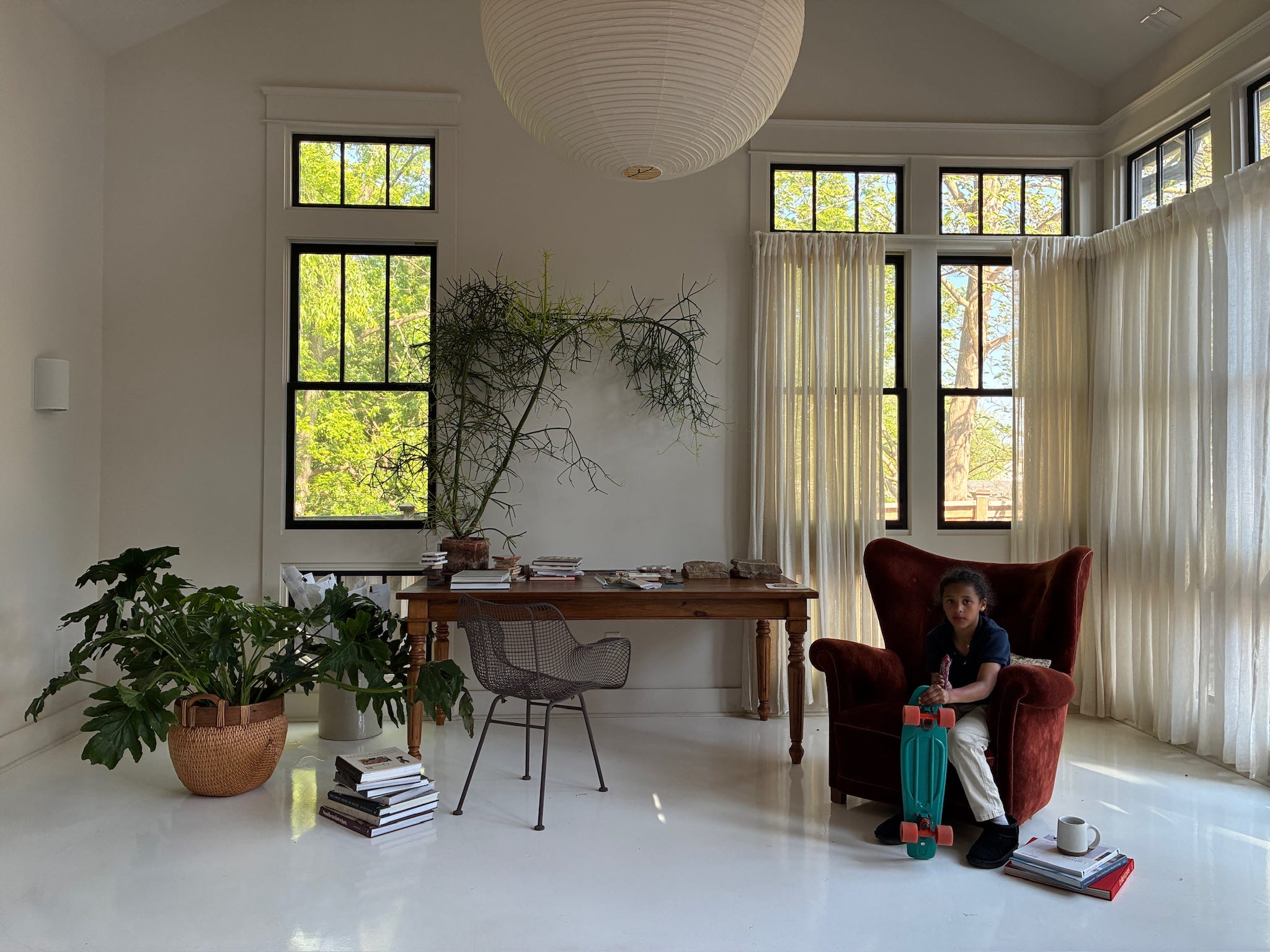
As excited as I am about the new ideas we’re bringing into this next home, I’m equally grateful for the lessons from the last one. Most of them weren’t things I could have learned from drawings, Pinterest boards, or design books. They came from everyday life, and paying attention to how our home lived, from folding laundry, hosting friends, watching television, unloading backpacks, and living within the spaces we created.
And in many ways, that’s what makes designing a second house so interesting. I’m no longer designing from aspiration of how I want to live but from experience of how my family actually lives and what matters most to us.
— Carly